As Children’s Mental Health Week 2026 (9th – 15th February) approaches, many families are taking time to reflect on what it truly means for children to feel safe, supported, and emotionally well.
For families facing ongoing challenges, short breaks from daily pressures – known as respite – can be a vital lifeline. These breaks offer time and space for children and their families to reconnect, recover, and feel more able to cope with the demands of everyday life.
In partnership with The Principle Trust Children’s Charity, Children’s Mental Health Ambassador and Patron Yasmin Shaheen-Zaffar shares why respite is so important, and how it helps families find their own sense of safety, belonging, and “place”.
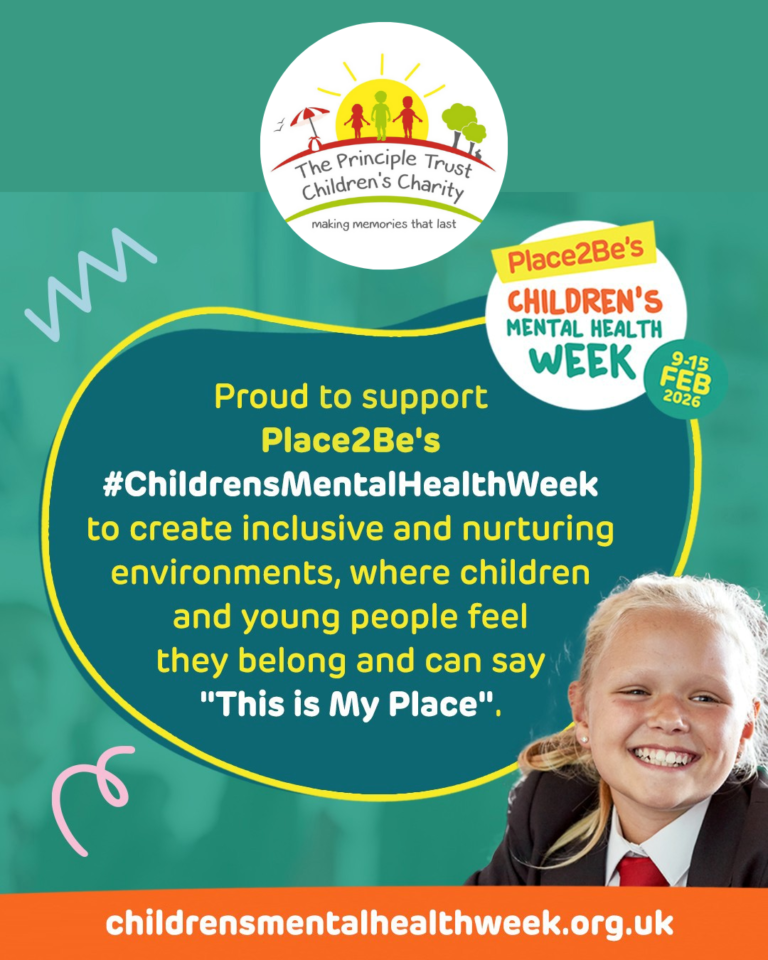
“This is My Place”
The theme for this year’s Children’s Mental Health Week is “This is My Place”, encouraging communities to think more deeply about what belonging really means.
Belonging isn’t just about a physical space. It’s about feeling safe, understood, and accepted. For many children, “my place” is not a location, it’s a feeling. A feeling of being able to relax, to play, to connect, and to be themselves without fear or pressure.
Why Respite Matters
Respite breaks give families precious time away from the constant demands and stresses of everyday life. These pauses allow routines to soften, sleep to improve, laughter to return, and learning to happen naturally, without pressure.
When children live with prolonged stress or adversity, their nervous systems often remain in survival mode. Respite helps shift the body into a calmer, steadier state – one where emotional regulation, connection, and learning become more possible.
Reconnecting as a Family
Respite also gives families the chance to reconnect.
Shared meals feel calmer. Conversations feel easier. Children feel less alone in their emotions, and parents feel more supported. Behaviour is often a reflection of how safe a child’s nervous system feels. When children feel overwhelmed or unsafe, their bodies prioritise protection.
Respite creates conditions where that protection can soften and connection can return.
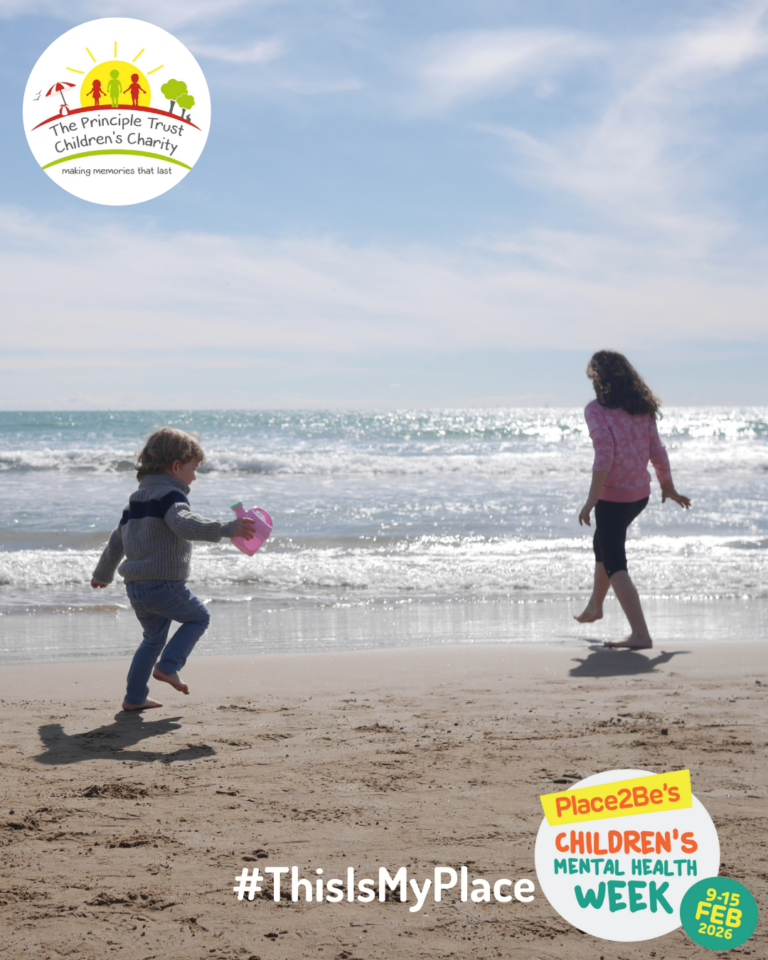
Building Safety and Belonging
A sense of home and safety is built through small, repeated signals:
Predictable routines
Play and laughter
Kindness and reassurance
Repair after difficult moments
Respite breaks give families space to be human again. They are not an indulgence. They are a lifeline.
They help children and parents find their steady, rebuild connection, and feel more equipped to manage life’s challenges.
A Lasting Impact
During Children’s Mental Health Week, schools, communities, and services are encouraged to look beyond physical spaces. Belonging is created through everyday micro-moments – consistency, inclusion, and compassionate support for families carrying heavy loads.
Respite may only be a pause, but its impact can be long-lasting. It helps children feel safe, families feel supported, and everyday life feel just that little bit more manageable.


Sitemap | Terms & Conditions | Privacy Policy | Safeguarding Policy
Registered Charity 1141546
Copyright The Principle Trust 2020 – All Rights Reserved
Site by Sevensun